Blackwork covers large areas of solid black, bold geometric shapes, or heavy ornamental patterns. Because so much pigment goes into the skin in one session, healing can feel different from lighter styles — more heat, more tightness, and a longer initial recovery.
Knowing what to expect helps you plan time, clothing, and follow-up care. If you are considering bold work during a visit to Galata, this guide covers the essentials.
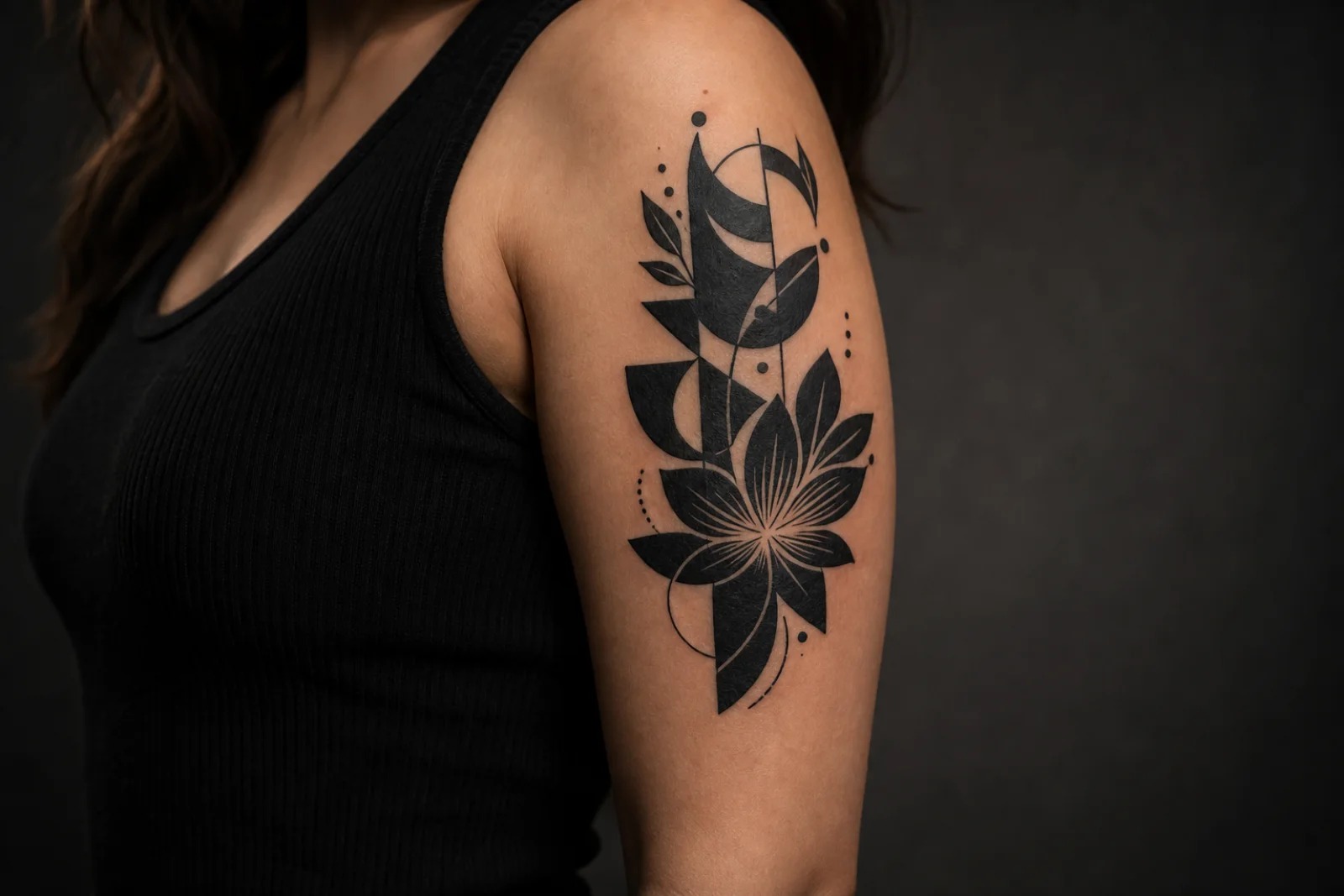
What blackwork feels like during and after
Blackwork sessions can be intense — especially on bony areas or large fills. We discuss session length honestly so you are not sitting beyond what your body handles comfortably.
More pigment means more healing. Plan downtime into your trip.
The first week brings significant swelling and a thick matte scab over saturated areas. That is normal. Keep the area clean, use thin layers of aftercare, and avoid soaking. Peeling on blackwork sometimes looks grey or patchy before the true depth returns — do not panic. Full saturation often reveals itself between weeks three and six.
Placement and session planning
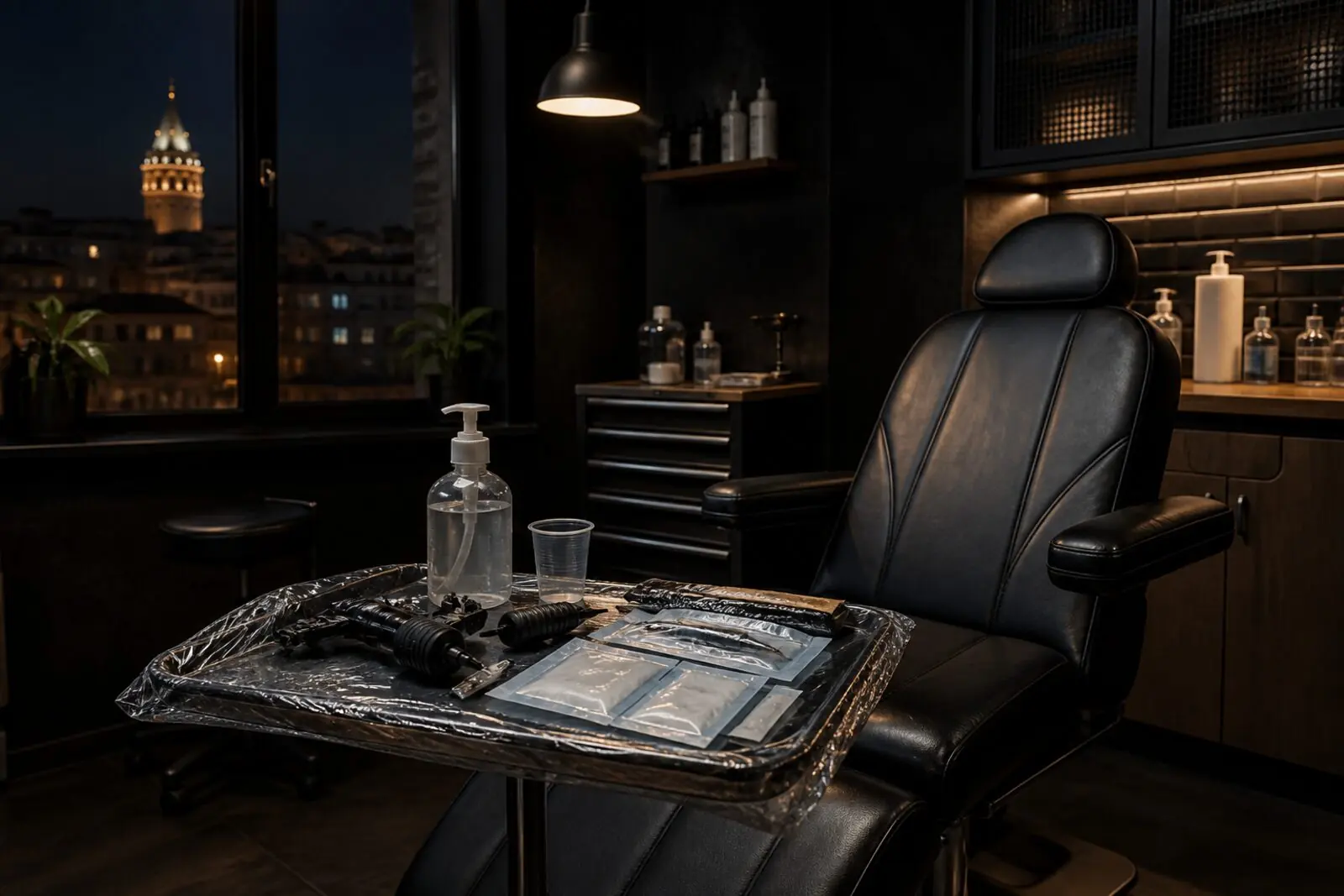
Placement affects both comfort during the session and how the black settles.
Tolerate large fills
Outer upper arm, thigh, and calf — flat, muscular areas handle saturation well.
More intense
Spine, ribs, ankle — bony spots may need shorter sessions split across two visits.
Movement zones
Joints and knuckles can look striking but often need touch-ups because of constant movement.
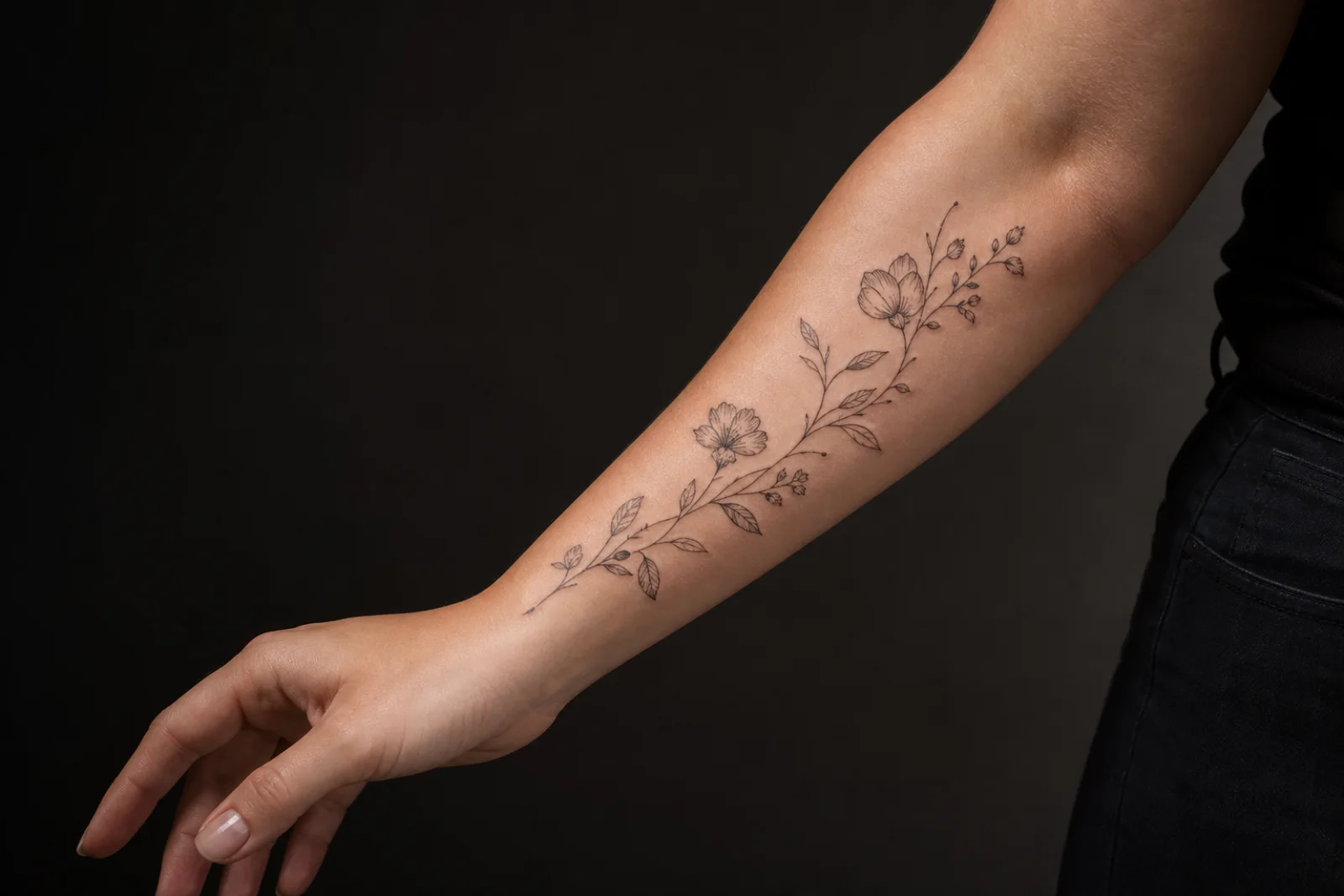
Blackwork on joints and knuckles can look striking but often needs touch-ups because of constant movement. Explore styles on our tattoo hub before your consultation.
Travelling? Share placement photos and approximate size on WhatsApp before you fly — we will advise on session length and whether one visit or two shorter ones suits your design.
First week healing
Avoid gym friction and tight synthetic clothing over fresh black fills. The scab phase can look uneven — resist picking.
- Keep the area clean with gentle, fragrance-free soap
- Apply thin layers of aftercare — heavy smears trap moisture
- No soaking: pools, sea, hammam, or long baths
- Wear loose, breathable cotton over the tattoo
- Skip gym sessions that cause heavy friction for the first week
- Do not pick scabs — let them fall off naturally
Sun and long-term care
Sun protection is critical long term. Black pigment absorbs heat and UV, which can cause fading to blue-grey over the years. Once healed, use SPF 50 on exposed blackwork and reapply during long days walking around Galata and the Old City.
Hydrated skin also keeps large black areas looking even; lightweight unscented lotion helps. For trip timing, see getting a tattoo in Istanbul.
Plan your blackwork session
Considering blackwork on your Istanbul trip? Share placement photos and approximate size on WhatsApp before you fly — we will advise on session length, healing downtime, and whether your design suits a single visit or two shorter ones.
Message Chill Ink with your idea, preferred placement, and travel dates. We will say what is realistic — walk-in or booked — near Galata Tower.